Creating a home gym can be an exciting and rewarding process, but choosing the right fitness equipment is key to ensuring it meets your goals and lifestyle. Whether you’re aiming for weight loss, building muscle, improving cardiovascular health, or just staying active, selecting the right gear can make all the difference in achieving long-term success. With so many options available, how do you narrow it down? Here are some tips to help guide your decision-making process.
Assess Your Fitness Goals
The first step in choosing the right fitness equipment is to determine your personal fitness goals. Are you focused on building strength, improving your endurance, or enhancing flexibility? Identifying your primary fitness objectives will guide you in selecting the appropriate equipment.
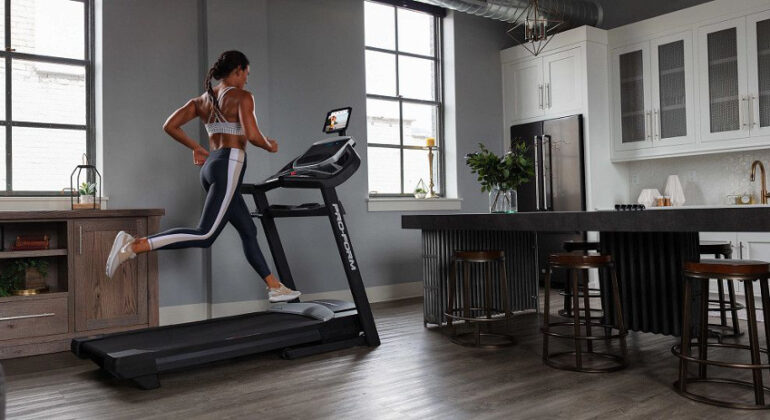
For example, if your goal is to build muscle, free weights, dumbbells, and resistance bands are great choices for strength training. For cardiovascular fitness, treadmills, stationary bikes, or ellipticals are ideal for improving endurance. If you’re looking to improve flexibility and balance, yoga mats and resistance bands can provide support for stretching exercises.
Space Considerations
Before purchasing any equipment, take a close look at the space available in your home. Home gyms come in all shapes and sizes, so it’s crucial to choose equipment that fits comfortably in your designated workout area.
If you’re working with limited space, you might want to consider compact and foldable options, such as foldable treadmills, adjustable dumbbells, or wall-mounted pull-up bars. You should also take into account the space required for safe use. For instance, when using a weight bench, make sure you have enough room to move freely and perform exercises safely.
Versatility and Storage
If you’re limited on space, versatility is key. Choose equipment that can serve multiple purposes or that you can store easily when not in use. Multi-functional items like adjustable dumbbells or a set of resistance bands can provide a wide range of exercises without taking up much room. A kettlebell is another versatile piece of equipment that allows for strength and cardio training combined in a single piece of gear.
Storage is another important consideration, especially if your home gym doubles as another living space. Look for equipment that can be easily stored when not in use, such as collapsible treadmills, stackable weights, or wall-mounted racks for accessories.
Quality and Durability
Fitness equipment can be a significant investment, so you want to ensure that you’re buying durable products that will withstand regular use. It’s worth spending a little more for higher-quality gear, as it will last longer and perform better.
When shopping for equipment, pay attention to the materials used, especially for items like weight benches, treadmills, and bikes. Look for sturdy, heavy-duty construction and read customer reviews to gauge long-term reliability. If you’re buying used equipment, make sure it’s in good condition and doesn’t have significant wear and tear that could affect its performance.
Budget Considerations
Your budget will naturally play a role in determining the type and quantity of fitness equipment you can purchase. It’s important to strike a balance between quality and cost. While there are many budget-friendly options, don’t sacrifice durability for a lower price. Focus on the essential equipment that meets your needs, and consider investing in one or two key pieces that offer the most value.
Start with the basics: a good set of dumbbells, a quality yoga mat, and a cardio machine like a stationary bike or elliptical can be an excellent foundation for your home gym. As your fitness journey progresses, you can expand your collection of equipment gradually.
The Right Equipment for Your Fitness Level
The equipment you choose should also align with your current fitness level. If you’re a beginner, start with low-impact and user-friendly equipment that allows you to build a solid foundation. Resistance bands, light dumbbells, or a stationary bike with adjustable resistance are great options for newcomers.
If you’re an experienced athlete, you may need more advanced equipment, such as kettlebells, barbells, or a squat rack for heavy lifting. Make sure the equipment you select matches your skills and challenges you to improve without overloading your body.
Final Thoughts
Creating your ideal home gym involves careful thought and planning. By understanding your fitness goals, evaluating the available space, and choosing equipment that suits your needs, you’ll be well on your way to building an effective and enjoyable workout environment. With the right equipment, you can stay motivated, committed, and on track to achieving your fitness goals right from the comfort of your own home.
Find more insights in these resources:
https://shgmarketcitytavern.com.au/
https://ausmexgroup.com.au/
https://cairnshotairballoon.com.au/
https://fishinnrockpool.com.au/
https://beingcatholic.com.au/
https://maximumresultstraining.com.au/
https://pepeitalia.com.au/
https://centralcoastcoatings.com.au/
https://gaultmillau.com.au/
https://perthforkids.com.au/
https://cloverhill.com.au/
https://holmessackett.com.au/
https://beapartments.com.au
https://teamupdigital.com.au
https://www.kitchenaidpromotions.com.au/
https://artsablaze.com.au/
https://yournewsagent.com.au/
https://giftnet.com.au/
https://www.sydneyweddingregistry.com.au/
https://www.accesscommunity.com.au/
https://woopads.com.au/
https://handandhome.com.au/
https://yearofthefarmer.com.au/
https://angkajitu.com.au/
https://coolmarketingpackages.com.au/
https://chil.com.au/
https://livemint.com.au/
https://timesofsydney.com.au/