Hard water stains can be stubborn, frustrating, and an all-too-common problem in households and businesses alike. Over my 15 years managing facilities and advising on maintenance strategies, I’ve learned that dealing with these marks is less about quick fixes and more about understanding the nature of hard water and applying the right methods consistently. The reality is, what works for one surface or environment may not work for another, and that nuance has a considerable impact on outcomes.
Here, I want to share five effective approaches to remove hard water stains, each grounded in practical experience and tested results. Whether you’re a homeowner or facility manager, these insights should give you a clearer path forward—saving time, money, and frustration.
Use Vinegar-Based Solutions for Mild Stains
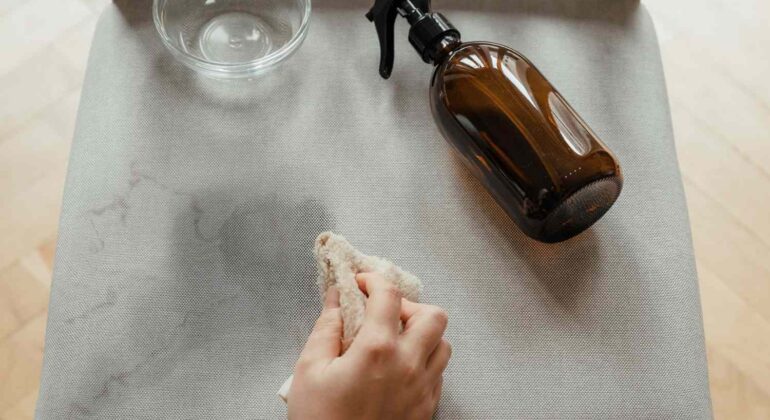
Vinegar, an acid, is one of the proven ways to break down the mineral deposits that cause hard water stains. Early in my career, we relied heavily on commercial acidic cleaners, but over time, we discovered that diluted white vinegar often performed just as well on mild stains without damaging surfaces. The key is proper application—soak a cloth in vinegar, apply it to the stained area, and let it sit for 15-20 minutes before scrubbing gently.
In more delicate environments or on materials like glass, vinegar solutions can be safer and more eco-friendly. Yet, it’s critical to rinse thoroughly afterward to prevent lingering acidity, which can cause long-term damage. For those looking for detailed cleaning guides and product recommendations, websites like DMC Insider offer comprehensive resources on home care solutions.
Employ Baking Soda for Abrasive Cleaning
When vinegar isn’t enough, a mild abrasive like baking soda can do the trick. I’ve seen folks try harsh scrubbing that ruins finishes, but baking soda offers a gentler option to physically break down hard water’s residue. Create a paste using baking soda and water, apply it onto the stain, and use a soft brush to work it in.
One lesson from handling commercial properties: avoid over-scrubbing as it can wear surfaces thin, especially on softer metals or plastic coatings. This approach works well on sinks, tubs, and faucets but demands consistency for best results. Baking soda’s versatility also made it a go-to in emergency cleanups where commercial cleaners weren’t available, showcasing how basic household items can solve big problems.
Use Commercial Cleaners for Tough Stains
Back around 2018, commercial cleaners designed specifically for mineral stains surged in popularity, and in practice, they deliver where home remedies sometimes fail. These products often contain stronger acids or enzymes that dissolve calcium and magnesium deposits more effectively.
However, the reality is these cleaners come with safety warnings for a reason. In my consulting work, I’ve seen businesses misusing these products, leading to damage that cost more in repairs than prevention. If you choose commercial cleaners, always adhere to the instructions and test in inconspicuous spots first. For legal advice or safety standards related to cleaning chemicals in your area, websites like Injury Lawyers Hub provide useful information on liabilities and compliance.
Preventing Stains with Water Softeners
From a practical standpoint, prevention often beats removal. Installing a water softener system reduces the hardness of your water by replacing minerals like calcium and magnesium with sodium or potassium ions.
I once worked with a client who cut their cleaning expenses by 40% after upgrading their water system. The initial investment paid off quickly through reduced maintenance and longer equipment lifespans. That said, water softeners aren’t a silver bullet for every setting—some businesses with low water usage or specific regulatory restrictions may find alternative filtration systems more suitable. Insights on filtration solutions are well-covered by outlets focusing on innovation, such as Geschichten Mag, which often highlights the latest in home and facility tech.
Utilize Microfiber Cloths for Final Touches
You might think fine stains require harsh chemicals, but microfiber cloths prove otherwise. After applying any treatment, the final polish with a microfiber cloth can make all the difference by removing residue without scratching surfaces.
In my experience, microfiber’s electrostatic properties trap and lift mineral particles efficiently, speeding up the cleaning cycle. For anyone managing rental properties or hospitality venues, investing in high-quality microfiber cloths is a practical and often overlooked move that saves time and enhances customer satisfaction.
For those wondering about sourcing quality microfiber products or related cleaning accessories, industry platforms like First Indian Paper can provide insights into sustainable and effective materials that streamline cleaning operations.
Conclusion
The bottom line is that removing hard water stains requires more than spraying chemicals and hoping for the best. From my years navigating facility management and maintenance challenges, it’s clear that a thoughtful approach combines prevention, proper selection of cleaning agents, and finishing techniques. Vinegar and baking soda work wonders as cost-effective solutions, but commercial cleaners and water softeners have their roles. Never underestimate the power of finishing with the right tools, like microfiber cloths.
The real question isn’t if you should tackle hard water stains but how to do so efficiently and sustainably without causing damage or incurring extra costs. The data and experience tell us that balancing these elements will improve outcomes and reduce headaches for years to come.
What Are Hard Water Stains?
Hard water stains form when minerals like calcium and magnesium settle on surfaces after water evaporates, leaving white or cloudy marks. These stains can appear on faucets, glass, dishware, and even appliances, making them unsightly and sometimes harder to clean if neglected.
From a practical standpoint, recognizing these early signs helps prioritize cleaning efforts before buildup becomes more stubborn to remove.
How Can Vinegar Remove Hard Water Stains?
The acidic nature of vinegar dissolves the mineral deposits that create hard water stains by breaking the bonds between the water minerals and the surface. Applying vinegar allows these stains to loosen for easier wiping or scrubbing, making it a natural and cost-effective solution.
Is Baking Soda Safe for All Surfaces?
Baking soda is mild, but it is abrasive. It’s safe for tiles, porcelain, and stainless steel when used gently but can scratch softer surfaces like aluminum or plastic finishes if scrubbed too hard. Testing it in a hidden area is always recommended.
Are Commercial Cleaners More Effective Than Natural Methods?
Commercial cleaners often contain stronger chemicals that act faster on tough mineral stains, but they come with risks of damaging surfaces or health hazards if misused. They are best reserved for persistent stains after trying natural remedies.
Can Water Softeners Completely Prevent Hard Water Stains?
Water softeners significantly reduce minerals that cause stains but depend on proper maintenance and system design. They don’t eliminate all deposits but cut down the problem considerably, especially in high-usage settings.