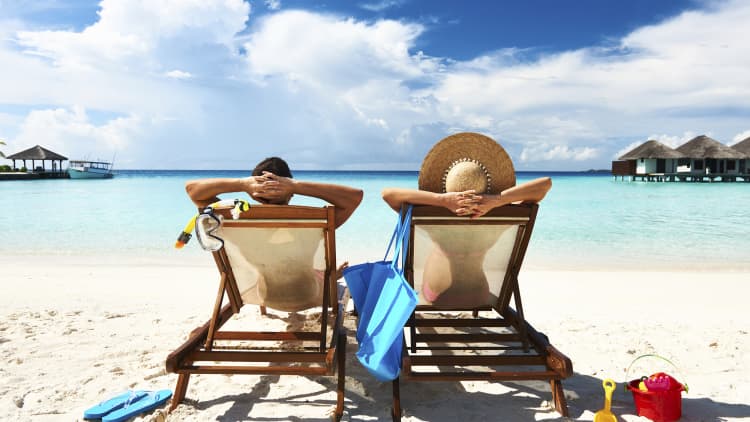
Modern lifestyles are changing rapidly, and so are spending habits. Across different age groups, more people are shifting their focus away from collecting material possessions and toward investing in memorable experiences. Travel, dining, concerts, outdoor adventures, and meaningful social activities are becoming more valuable than expensive physical products. This shift reflects a broader cultural movement that values emotional fulfillment, flexibility, and personal growth over ownership.
Many discussions surrounding this trend frequently appear in Australia trending topics today, where lifestyle changes and consumer behavior continue to attract attention. The growing preference for experiences is not simply a temporary phase. It represents a deeper change in how people define happiness and success.
Experiences Often Create Longer Lasting Happiness
One major reason people prioritize experiences is the emotional value they create. Material purchases may bring temporary excitement, but that feeling often fades quickly. Experiences, however, become memories that people revisit for years.
Traveling with friends, attending festivals, or exploring new hobbies creates emotional connections that physical products cannot easily replace. Research on consumer behavior also suggests that people tend to remember positive experiences more vividly over time, which increases long term satisfaction.
Experiences also encourage personal development. Learning a new skill, visiting unfamiliar places, or participating in social activities can shape confidence, perspective, and creativity in ways that shopping often cannot.
Social Media Has Increased Interest in Shared Moments
Social media has strongly influenced the rise of experience based spending. Platforms are now filled with travel stories, food discoveries, concerts, wellness retreats, and cultural events. Instead of showing off expensive possessions, many users prefer to share meaningful moments and personal achievements.
This shift has also influenced marketing trends. Many australian business services are adapting their strategies to focus more on customer experiences rather than simply promoting products. Restaurants create immersive dining concepts, hotels design personalized stays, and entertainment venues focus on creating memorable interactions.
Businesses have realized that customers are more likely to remain loyal when they associate a brand with positive emotional experiences rather than just transactions.
Younger Generations Value Flexibility Over Ownership
Millennials and Gen Z consumers are among the biggest drivers behind this change. Rising living costs and changing financial priorities have encouraged younger consumers to think differently about spending. Many prefer spending on experiences that create emotional rewards instead of purchasing items that may quickly lose value.
Recent consumer trend reports show that shoppers are becoming more selective and intentional with their purchases. Many consumers now seek fulfillment through experiences instead of accumulating products.
At the same time, minimalism and flexible lifestyles are becoming increasingly popular. People are reducing clutter and focusing more on activities that improve mental well being and social connection.
Discussions about these lifestyle changes often appear in latest news melbourne, especially as urban living continues to evolve with new entertainment spaces, creative venues, and community focused experiences.
Experiences Strengthen Human Connections
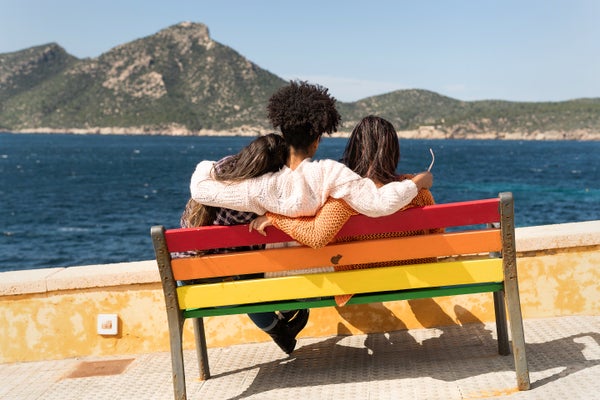
Another important reason behind this trend is the value of social interaction. Experiences are often shared with family, friends, or communities, which creates stronger emotional bonds.
Whether attending a sporting event, exploring a new city, or celebrating special occasions, shared experiences can strengthen relationships and create stories people remember together. Research has shown that people often feel more connected and satisfied when experiences involve social participation.
This growing interest in emotional connection is reflected in many people stories australia, where individuals discuss prioritizing meaningful moments over expensive purchases. Personal stories about travel adventures, family activities, and lifestyle changes are increasingly influencing public conversations.
Businesses Are Adapting to Experience Driven Consumers
The shift toward experiences is also changing industries. Retailers, hospitality businesses, tourism operators, and entertainment companies are redesigning services to create emotional engagement.
Modern businesses understand that customers now expect personalized experiences, convenience, and memorable interactions. Consumer trend studies show that businesses focusing on experience quality and customer satisfaction are more likely to build long term loyalty.
This is particularly visible in tourism, dining, and lifestyle industries, where businesses compete by offering unique experiences instead of simply selling products. Creative workshops, wellness retreats, food festivals, and outdoor adventure tourism have all grown because consumers increasingly value participation and emotional enrichment.
Many discussions featured on urban australia blog platforms highlight how cities are adapting public spaces, entertainment districts, and cultural events to support this growing lifestyle preference.
Technology Has Changed Consumer Priorities
Technology has also contributed to the shift away from material purchases. Digital services provide easy access to entertainment, communication, and information without requiring physical ownership. Music streaming, online learning, virtual communities, and digital experiences have reduced the importance of collecting physical items.
At the same time, people are becoming more aware of sustainability and environmental concerns. Purchasing fewer unnecessary products helps reduce waste and encourages more mindful consumption habits.
As consumer priorities continue evolving, experiences are likely to remain a major part of modern spending behavior. People increasingly seek fulfillment through moments, relationships, and personal growth rather than simply accumulating possessions.
Conclusion
The growing preference for experiences over material purchases reflects changing attitudes toward happiness, success, and personal fulfillment. Experiences create stronger memories, encourage social connection, and often provide deeper emotional satisfaction than physical products.
As lifestyles continue evolving, consumers are becoming more intentional with how they spend their time and money. Rather than focusing only on ownership, many people now value meaningful moments that improve their quality of life and create lasting memories. This shift is influencing industries, consumer behavior, and modern culture across the world.