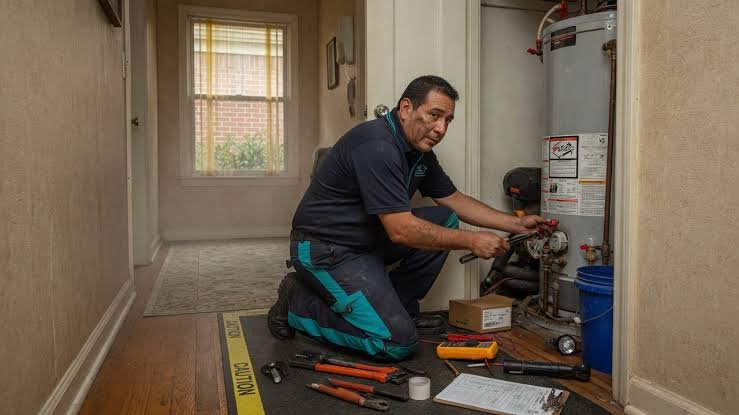
A home requires consistent attention to remain comfortable, functional, and valuable over the years. While homeowners often focus on visible maintenance such as roofing, painting, landscaping, and HVAC servicing, the plumbing system deserves equal consideration. Much of a home’s plumbing is hidden behind walls, beneath floors, and underground, which means developing problems can remain unnoticed for long periods. For homeowners in Houston, regular plumbing inspections can be an important part of a long-term property maintenance strategy.
Professional plumbing inspections provide an opportunity to evaluate pipes, fixtures, Drains, water pressure, and other important components before minor concerns develop into expensive repairs. Rather than waiting for a major leak or plumbing failure, homeowners can use routine inspections to understand the condition of their system and plan maintenance accordingly.
Identifying Problems Before They Become Emergencies
Many plumbing problems begin with subtle symptoms. A small leak behind a wall, gradual corrosion inside a pipe, or a slowly developing drain obstruction may not immediately interfere with daily routines. Over time, however, these problems can become more serious.
A plumbing inspection Houston can help identify early warning signs that might otherwise go unnoticed. Professionals may look for evidence of moisture, deteriorating connections, unusual water pressure, leaking fixtures, drainage problems, and aging plumbing components.
Early identification gives homeowners more time to consider appropriate repairs. Planned maintenance is generally easier to manage than dealing with an unexpected plumbing emergency that requires immediate attention.
Monitoring The Condition Of Aging Pipes
Plumbing materials do not last indefinitely. Their condition can be affected by age, installation quality, water characteristics, previous repairs, and everyday use. Homes that have been occupied for many years may contain sections of plumbing installed at different times or repaired using different materials.
Regular inspections make it possible to monitor changes in pipe condition. A plumber can assess accessible plumbing components and identify signs of corrosion, deterioration, leakage, or damage.
This information can help homeowners determine whether a specific section requires repair or whether larger upgrades should eventually become part of their home improvement plans. Tracking the condition of plumbing over time also makes it easier to prioritize projects instead of replacing components unnecessarily.
Finding Hidden Water Leaks
Visible leaks beneath sinks are usually easy to notice, but leaks occurring inside walls, ceilings, foundations, or other concealed areas can be more difficult to detect. Hidden water loss may continue for weeks or months before obvious damage appears.
Possible warning signs include unexplained increases in water consumption, damp areas, staining, musty odors, or unusual sounds when fixtures are not operating. A professional inspection can help determine whether these symptoms are connected to the plumbing system.
Finding leaks early is important because prolonged moisture exposure can damage flooring, drywall, cabinetry, and other building materials. Routine plumbing maintenance therefore contributes not only to the plumbing system itself but also to protecting surrounding parts of the property.
Evaluating Water Pressure And Fixtures
Water pressure affects everyday activities such as showering, washing dishes, and doing laundry. Pressure that is unusually low can indicate several potential plumbing concerns, while excessive pressure may place unnecessary strain on pipes, fittings, valves, and appliances.
During an inspection, water pressure can be evaluated alongside faucets, toilets, showers, supply connections, and other fixtures. Small issues such as dripping faucets, continuously running toilets, or worn connections can waste water and may eventually lead to larger problems.
Addressing these concerns as part of routine maintenance can improve plumbing performance and reduce unnecessary water use.
Checking Drains And Wastewater Flow
Drainage is another important part of a home’s plumbing system. Slow drains are sometimes treated as isolated inconveniences, but recurring drainage problems may indicate buildup, damaged piping, or another issue requiring professional attention.
A plumbing inspection provides an opportunity to discuss repeated clogs, unusual drain sounds, unpleasant odors, or slow wastewater movement. Depending on the symptoms, additional evaluation may be recommended to understand what is happening inside the drainage system.
Taking recurring drain problems seriously can help prevent inconvenient backups and reduce the possibility of more extensive repairs later.
Supporting Long-Term Home Improvement Planning
One of the greatest advantages of regular plumbing inspections is the information they provide for future planning. Homeowners do not necessarily need to replace every aging component immediately. Instead, inspection findings can help establish priorities.
For example, minor fixture repairs may require attention now, while aging supply lines could be monitored and scheduled for future replacement. Homeowners planning bathroom renovations, kitchen upgrades, or other remodeling projects can also use information about existing plumbing conditions when making decisions.
This approach allows plumbing maintenance to become part of a broader property improvement strategy rather than a response to emergencies.
Creating A More Proactive Maintenance Routine
Plumbing systems work continuously behind the scenes, making them easy to overlook until something stops working properly. Including professional inspections within a long-term Houston home maintenance routine provides greater visibility into the condition of pipes, fixtures, drains, and connections.
Regular assessments cannot prevent every plumbing problem, but they can help homeowners recognize developing concerns sooner, make informed repair decisions, and maintain their property more systematically. Over the years, this proactive approach can support reliable plumbing performance while helping protect the comfort, functionality, and overall condition of a Houston home.